Protein Powder vs Real Food: Do You Actually Need Whey?
Whey is convenient, not magic. What Indian guidelines and label testing actually found, when a powder makes sense, and how to get there with food.
BroTin Box Nutrition Team, Measured meals, Coimbatore · 28 October 2026 · 5 min read
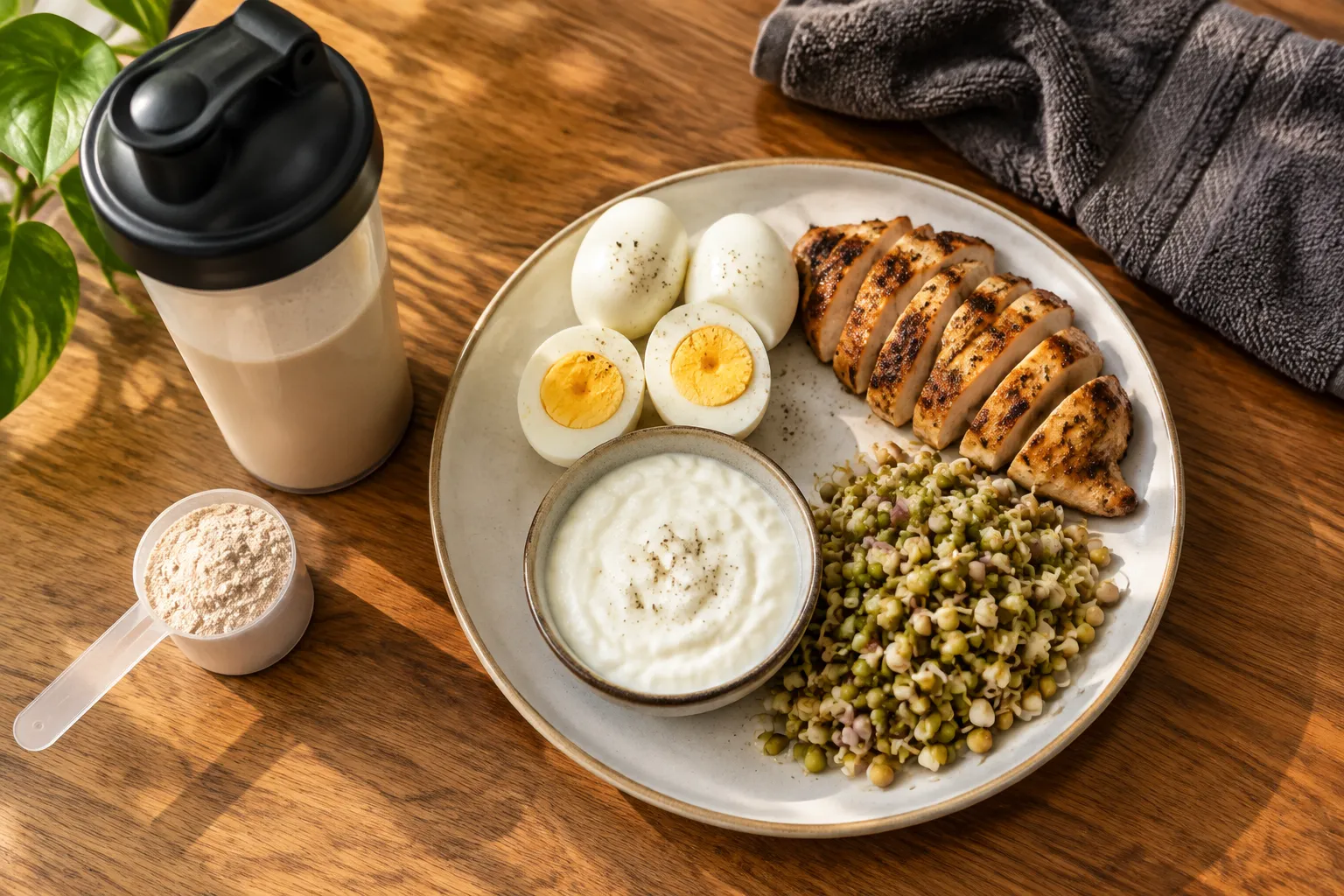
Quick answer: Most people do not need protein powder. Food can meet your protein needs, and India's ICMR-NIN dietary guidelines advise against using supplements for building body mass. A powder can still be a practical backup if you truly cannot reach your target with food. If you use one, choose a product with independent testing, and treat it as a supplement, not a meal plan.
Walk into any gym in Coimbatore and someone will tell you that you need whey. It is sold as the thing that separates people who gain muscle from people who do not.
The truth is less dramatic. Whey is simply a convenient protein. Here is what the evidence says, and how to decide for yourself.
What Indian guidelines say
The Dietary Guidelines for Indians, released by ICMR-NIN in 2024, advise against using protein supplements to gain body mass. According to reports on the guidelines, they make these points:
- Supplementing protein brings only a small increase in muscle strength and size during long-term resistance training in healthy adults.
- Protein above about 1.6 g per kg of body weight a day adds no further muscle gain.
- Long-term use of protein powders or high-protein concentrates carries potential risks, including bone mineral loss and kidney damage.
- A healthy, proper diet is enough to meet protein needs.
It is fair to add that this advice has been debated. Some doctors and commentators argue that the risks of good-quality protein are overstated for healthy people, and that supplements with reliable third-party testing are safe. Clinical patients may also need supplements under medical supervision.
The conclusion that everyone agrees on is simple: start with food.
What about the quality of powders in India?
A study published in the journal Medicine in 2024 tested 36 protein supplements sold in India. It reported that:
- About 70% were mislabelled for protein content, and some contained far less protein than claimed
- About 14% contained fungal toxins called aflatoxins
- About 8% contained traces of pesticides
Some brands have disputed the work, and one study of 36 products cannot speak for the whole market. It does show why you should not assume that a label is accurate. Our guide to reading nutrition labels has more tips.
Food vs powder: how do they compare?
Here is what about 25–30 g of protein looks like. All figures are approximate:
- Whey protein, 1 scoop (about 30 g): 20–25 g protein, about 120 kcal
- Grilled chicken breast, 100 g cooked: about 31 g protein, about 165–215 kcal, depending on the cooking method
- Eggs, 4 whole: about 25 g protein, about 280 kcal
- Paneer, 150 g: about 27 g protein, with far more fat, at about 435 kcal
- Soya chunks, 50 g dry: about 26 g protein, about 170 kcal
- Firm tofu, 200 g: about 24 g protein, about 250 kcal
Whey is low in calories and quick. Food takes more effort, but it brings more fullness and nutrients, such as iron, B vitamins, calcium and fibre, depending on what you pick.
When a powder can make sense
A powder can be reasonable if:
- You are vegetarian and find it hard to reach your target, even after adding dal, curd, paneer, tofu and soya
- You travel often and have no good food options
- You have a small appetite, and big meals are hard for you
- A doctor or registered dietitian recommends it
It is much harder to justify if you have not even tried to eat protein at each meal yet.
How to choose a powder, if you need one
- Look for independent testing from a third-party lab or certification program, not only the brand's own claims.
- Read the ingredients. Added sugars, fillers and proprietary blends make a product harder to judge.
- Check the protein per scoop, and compare it with the scoop weight. A 30 g scoop usually provides 20–25 g of protein.
- Buy from an authorised seller, and check the batch number and seal.
- Avoid products with added "muscle builders" or herbal blends. Unnecessary ingredients carry more risk.
If you have kidney or liver disease, are pregnant, or are taking regular medication, speak to your doctor first.
How to hit your protein with food
Here is a day with about 110 g of protein for a non-vegetarian:
- Breakfast: 3 eggs and 2 chapatis (about 25 g)
- Lunch: 100 g grilled chicken, 1 cup rice, dal and vegetables (about 40 g)
- Snack: a cup of curd and sundal (about 15 g)
- Dinner: 100 g fish or chicken, chapati and salad (about 30 g)
And one with about 80 g for a vegetarian:
- Breakfast: pesarattu with curd (about 15 g)
- Lunch: soya chunk pulao with raita (about 25 g)
- Snack: sprouted green gram sundal (about 10 g)
- Dinner: paneer or tofu curry, 2 chapatis and dal (about 30 g)
Find your own target with our daily protein guide, or read about muscle gain on Indian food.
Frequently asked questions
Can I build muscle without whey? Yes. Muscle growth depends on progressive strength training, enough total protein and enough calories. Food can provide all of that.
Is whey protein bad for your kidneys? Evidence in healthy people is debated, and ICMR-NIN advises caution with long-term use. If you already have kidney disease, a high protein intake from any source should be discussed with your doctor.
Is plant protein powder better than whey? Not necessarily. Both can be useful, and both need quality testing. Pick based on your diet, your digestion and independent test results.
Do I need a shake right after training? No. The timing is much more flexible than people think. See our pre and post-workout guide.
Our boxes get their protein from food: chicken, fish, eggs, paneer, tofu, soya and legumes. See the menu, or try a box for tomorrow.